Punjab sits at the crossroads of Sikh heritage, agricultural heartland, and fast-growing tier-2 cities - making it one of northern India's most visited yet underrated regions for both leisure and business travellers. Whether you're visiting the Golden Temple in Amritsar, attending a trade fair in Jalandhar, or exploring the Sikh royal legacy in Patiala, 3-star hotels in Punjab offer a practical middle ground between budget guesthouses and premium chains. This guide covers the top 3-star stays across Punjab's key cities, with honest breakdowns of what each property actually delivers.
What It's Like Staying in Punjab
Punjab is a high-energy state where city centres like Amritsar, Jalandhar, and Patiala move at a fast pace - auto-rickshaws, e-rickshaws, and app-based cabs dominate local transport, and most key attractions are accessible within 20 minutes from a centrally located hotel. Traffic congestion peaks during festival periods like Baisakhi and Diwali, when hotel availability drops sharply. Pilgrims, business travellers, and domestic tourists form the bulk of visitors, meaning hotels cater heavily to practical needs over luxury aesthetics - which makes 3-star properties the most rational choice for most itineraries here.
Pros:
- Strong road and rail connectivity between cities - Jalandhar, Amritsar, and Patiala are all under 3 hours apart
- Rich Punjabi food culture means even hotel breakfasts tend to be notably better than the national average
- Domestic tourism infrastructure is well-developed, with competitive hotel rates compared to Delhi or Mumbai
Cons:
- Air pollution and traffic noise are significant in Jalandhar and Amritsar city centres, especially in winter months
- Hotel occupancy near the Golden Temple can exceed 90% during religious holidays, limiting last-minute options
- International flight connectivity is limited - most visitors arrive via Amritsar's Sri Guru Ram Dass Jee Airport or connect through Delhi
Why Choose 3-Star Hotels in Punjab
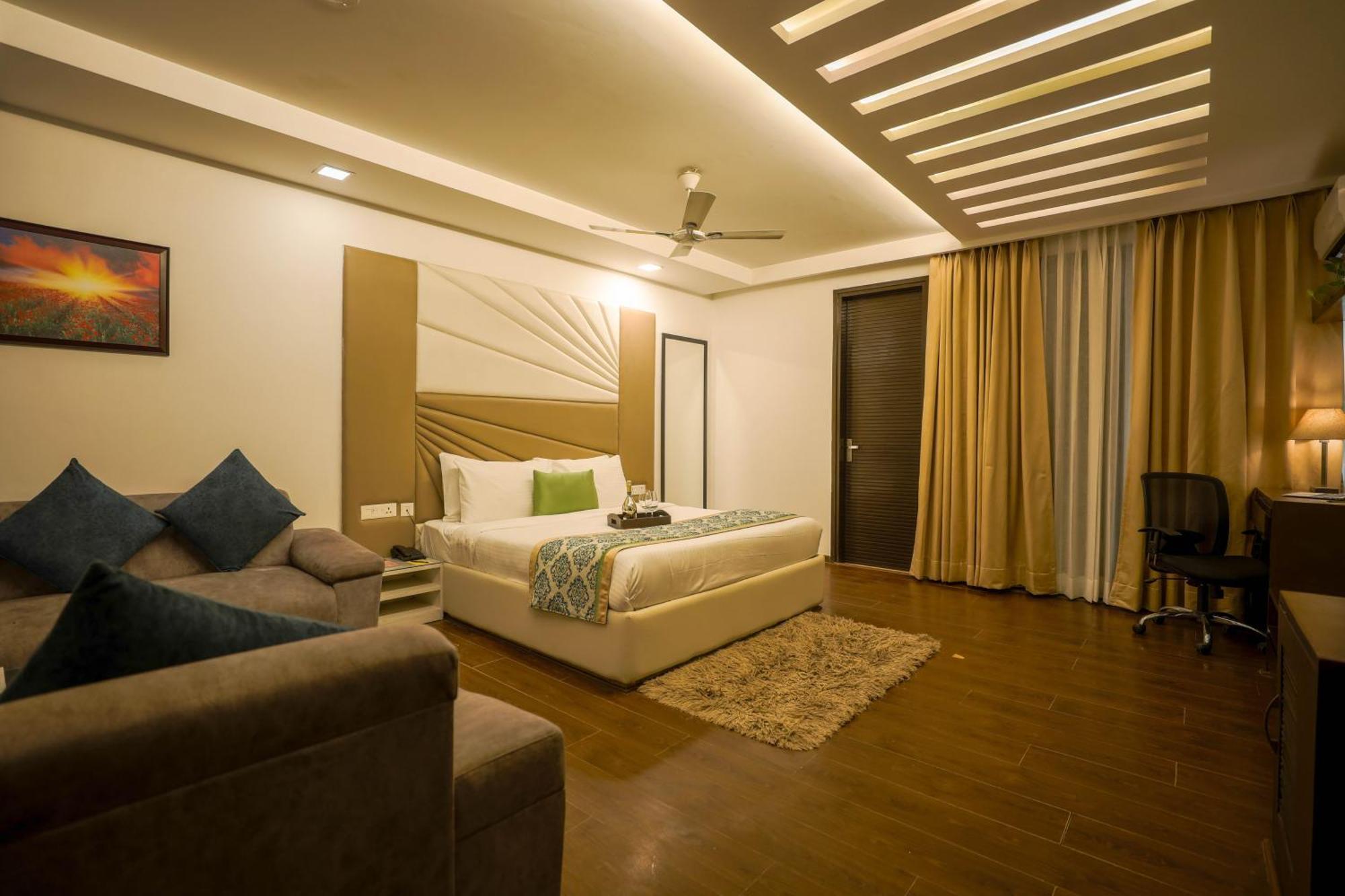
3-star hotels in Punjab typically occupy the sweet spot between bare-bones guesthouses and corporate chains, offering air-conditioned rooms, free WiFi, room service, and breakfast - at prices that consistently undercut equivalent-quality stays in Chandigarh or Delhi by around 35%. Room sizes in this category across Jalandhar and Patiala average around 200 sq ft, which is adequate for a 2-night business or pilgrimage trip but worth noting for longer stays. Most 3-star properties in Punjab cater to both corporate guests and domestic leisure travellers, which means facilities like 24-hour front desks, luggage storage, and flat-screen TVs are standard rather than optional.
Pros:
- Free WiFi and air conditioning are near-universal in this category across Punjab's major cities
- Breakfast inclusion is common, reducing daily costs and saving morning planning time
- City-centre locations in Jalandhar and Patiala mean walkable access to markets and transport hubs
Cons:
- On-site dining options are limited - most 3-star hotels in Punjab offer room service but no full restaurant
- Parking availability varies; properties in dense urban areas like old Amritsar may lack dedicated parking
- Swimming pools and fitness centres are rare at this category level in Punjab
Practical Booking & Area Strategy
Amritsar is the obvious anchor for first-time visitors - the Golden Temple, Jallianwala Bagh, and Wagah Border are all within 15 km of the city centre, and the railway station connects directly to Delhi in under 7 hours. Jalandhar is the better base for business travellers, sitting at the junction of the Grand Trunk Road and offering faster access to industrial zones and sports goods markets. Patiala rewards cultural travellers with its Qila Mubarak fort complex and Bahadurgarh Fort, though its airport connectivity relies on Chandigarh Airport, around 60 km away. For those visiting multiple cities, booking hotels near railway stations cuts commuting time significantly - Punjab's rail network is dense and punctual on intercity routes. Book at least 3 weeks in advance if travelling during Baisakhi (mid-April) or the Golden Temple's major gurpurabs, when 3-star inventory sells out faster than premium properties.
Best Value Stays
These properties deliver reliable 3-star standards in Punjab's key cities - free WiFi, air conditioning, and breakfast - at price points accessible to both business travellers and domestic tourists.
-
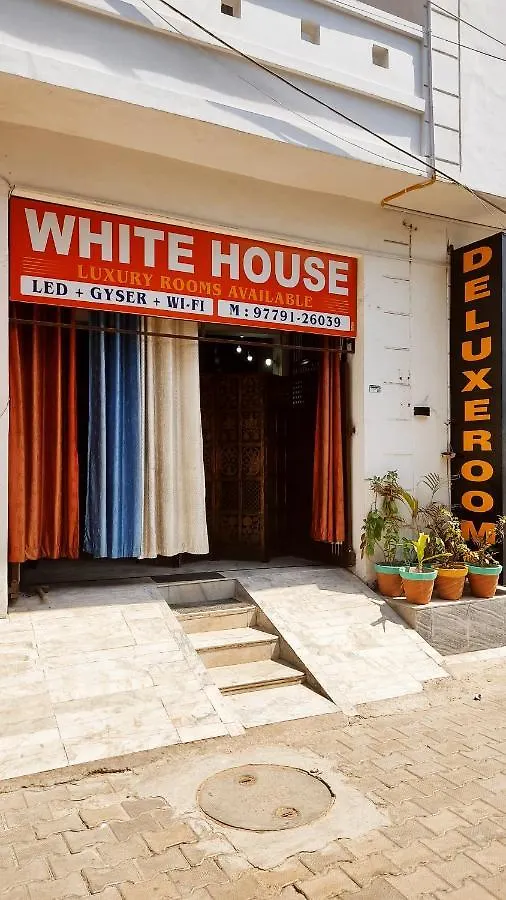
1. White House Luxury Rooms - Loved By Travellers, Couples, Corporates
Show on map


 Check-infrom 13:00 until 21:30Check-outfrom 08:00 until 11:00
Rooms filling fast – secure the best rate!
fromINR 1435
-
2. Hotel Sea
Show on map


 Check-infrom 12:00 until 23:59Check-outuntil 11:00
Just a few rooms left at the best rate!
fromINR 1531
Best Premium Options
These 3-star properties offer stronger brand positioning or location advantages in Amritsar and Punjab's western corridor, suited to travellers who prioritise reliability and city-centre access.
-
3. Treebo Dee Intercontinental Amritsar
Show on map


 Check-infrom 13:00 until 23:59Check-outuntil 11:00
Hurry – almost gone at this price!
fromINR 2871
- Show on map
Best price guarantee
Smart Travel & Timing Advice
The optimal window for visiting Punjab is October through March, when temperatures are comfortable for sightseeing and outdoor activities - the Wagah Border ceremony and heritage walks around Patiala's fort complex are far more manageable in 20°C weather than in June's 45°C heat. Prices for 3-star hotels in Amritsar spike by around 40% during Gurpurab (the Sikh festival marking Guru Nanak's birthday, typically in November) - book at least 4 weeks ahead for this period. January through February offers the best balance of manageable crowds and reasonable rates, with rooms often available at short notice outside of Republic Day weekend. A stay of 2 nights per city is the practical minimum - Amritsar alone warrants at least 2 nights to cover the Golden Temple (best visited at dawn and dusk), Jallianwala Bagh, and the Wagah Border. Last-minute bookings work well in Patiala outside festival periods, but Amritsar and Jalandhar reward advance planning year-round due to consistent religious pilgrim traffic.