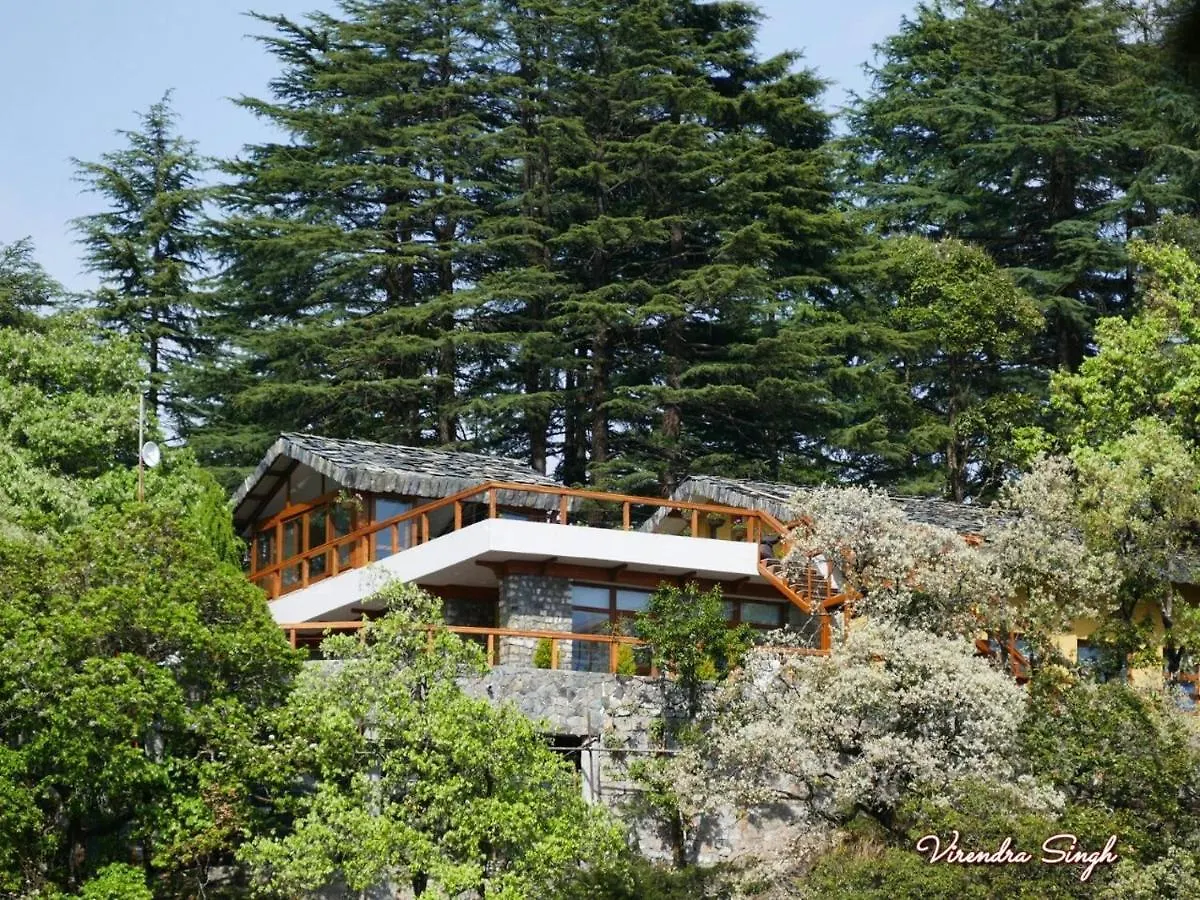
North India's apartment and B&B scene spans Himalayan hill stations, sacred ghats, colonial ridgelines, and urban Lucknow - giving travelers a far more grounded, locally rooted experience than standard hotel chains. Whether you're watching the sunrise over Varanasi's Ganges, acclimatizing in McLeod Ganj before a trek, or exploring Shimla's Raj-era architecture, B&Bs in this region deliver mountain views, home-cooked vegetarian breakfasts, and proximity to key landmarks that large hotels rarely match at the same price point. This guide covers 7 hand-picked properties across North Zone, India - from budget guesthouses to well-equipped villa-style apartments - to help you decide exactly where to stay and why.
What It's Like Staying in North Zone, India
North Zone, India covers an enormous geographic and cultural spread - from the Gangetic plains of Uttar Pradesh and Haryana's outskirts near Gurgaon, to the Himalayan foothills of Uttarakhand and Himachal Pradesh. Transport varies dramatically by sub-region: cities like Lucknow and Varanasi have functional auto-rickshaw and cab networks, while hill towns like Mussoorie, Shimla, and McLeod Ganj rely almost entirely on taxis or steep walks due to narrow mountain roads. Crowd patterns shift just as sharply - Varanasi's ghats draw pilgrims and international tourists year-round, while Shimla and Mussoorie see peak domestic tourism in summer (April-June) and during festive school holidays, making last-minute accommodation near impossible to find. B&B and apartment stays here are especially well-suited to travelers who want localized insight, flexible meal options, and direct access to neighborhood life rather than resort-bubble isolation.
Pros:
- Enormous variety of landscapes and cultural contexts within a single zone - mountains, plains, temple towns
- B&Bs often include breakfast with regional dishes unavailable in standard hotel dining rooms
- Hill station properties offer mountain views and cooler temperatures that make them far more comfortable in summer than Delhi or the plains
Cons:
- Road conditions in Himalayan sub-regions can delay travel significantly, especially during monsoon (July-September)
- Some hill stations have restricted vehicle access near town centers, requiring luggage transfers on foot
- Connectivity and amenities in smaller properties outside major cities can be inconsistent - WiFi and hot water are not always guaranteed
Why Choose Apartments & B&Bs in North Zone
Across North Zone, apartments and B&Bs typically cost around 40% less than equivalent star-rated hotels in the same locality - and in most cases, they deliver something the hotel sector cannot: direct access to the host's local knowledge, home-style meals, and properties that are embedded in residential neighborhoods rather than tourist strips. Room sizes in hill station B&Bs tend to be more generous than urban hotels at the same price, often including terraces, mountain-facing balconies, or private garden access. Trade-offs are real though: properties near religious centers like Varanasi's ghats can be noisy from early-morning rituals and traffic, while remote cottages in Himachal Pradesh may require a taxi for every excursion. Urban B&Bs in Lucknow or Gurgaon appeal to extended-stay travelers who need a kitchen, parking, and a quieter neighborhood base. Apartments with full kitchen access are particularly cost-effective for families or longer stays of 5 or more nights.
Pros:
- Breakfast often included and locally sourced - far more authentic than buffet hotel options
- Private parking available at most properties in this selection, critical in hill towns where taxis charge premiums
- Family rooms widely available, making these properties competitive with serviced apartments for groups
Cons:
- Check-in flexibility is lower than at larger hotels - most B&Bs require coordination with hosts
- On-site dining is limited or dinner-only at several properties, requiring guests to plan meals externally
- Properties in tourist-heavy zones like McLeod Ganj or Shimla Mall Road fill up weeks in advance during peak season
Practical Booking & Area Strategy for North Zone
Positioning matters enormously in North Zone. In Mussoorie, staying within 5 km of Gun Hill Point or Mall Road gives walkable access to the town's main ridge - properties further out require taxis for every outing. In Shimla, the area around Circular Road and Jakhoo Hill sits above the main bazaar, offering quieter stays with mountain views but steep uphill walks from the market. McLeod Ganj, the Tibetan hub above Dharamshala, rewards early bookers: properties here fill up around 6 weeks before peak season (March-April for trekking, October for post-monsoon clarity). Varanasi requires a different approach - staying within 5 km of Dasaswamedh Ghat puts you close to the evening Ganga Aarti, but expect early-morning temple bells and street noise regardless of property quality. For Lucknow, B&Bs in quieter residential zones near Indira Gandhi Pratishthan offer a calmer base than the chaotic Charbagh Railway Station neighborhood, with airport access under 25 minutes. In Gurgaon, villa-style properties away from MG Road provide a genuine retreat from the city's traffic density while keeping Delhi IGI Airport within reach. Popular attractions across the zone include Kempty Falls near Mussoorie, Kashi Vishwanath Temple in Varanasi, Jakhoo Temple in Shimla, Bhagsu Waterfall near McLeod Ganj, and the Residency ruins in Lucknow.
Best Value Stays
These properties offer strong location-to-price positioning, family room availability, and practical amenities - suited to travelers prioritizing value, mountain access, or pilgrimage-adjacent stays.
-
1. Rock Villa By Baaya
Show on map


 Check-infrom 12:00 until 15:00Check-outfrom 06:00 until 10:00
Just a few rooms left at the best rate!
fromINR 48799
-
2. Kashi Imperial
Show on map


 Check-infrom 10:00 until 23:00Check-outfrom 09:00 until 11:00
Just a few rooms left at the best rate!
fromINR 3062
-
3. Sudha Sadan
Show on map


 Check-infrom 10:30 until 23:30Check-outfrom 09:00 until 10:00
Hurry – almost gone at this price!
fromINR 1148
-
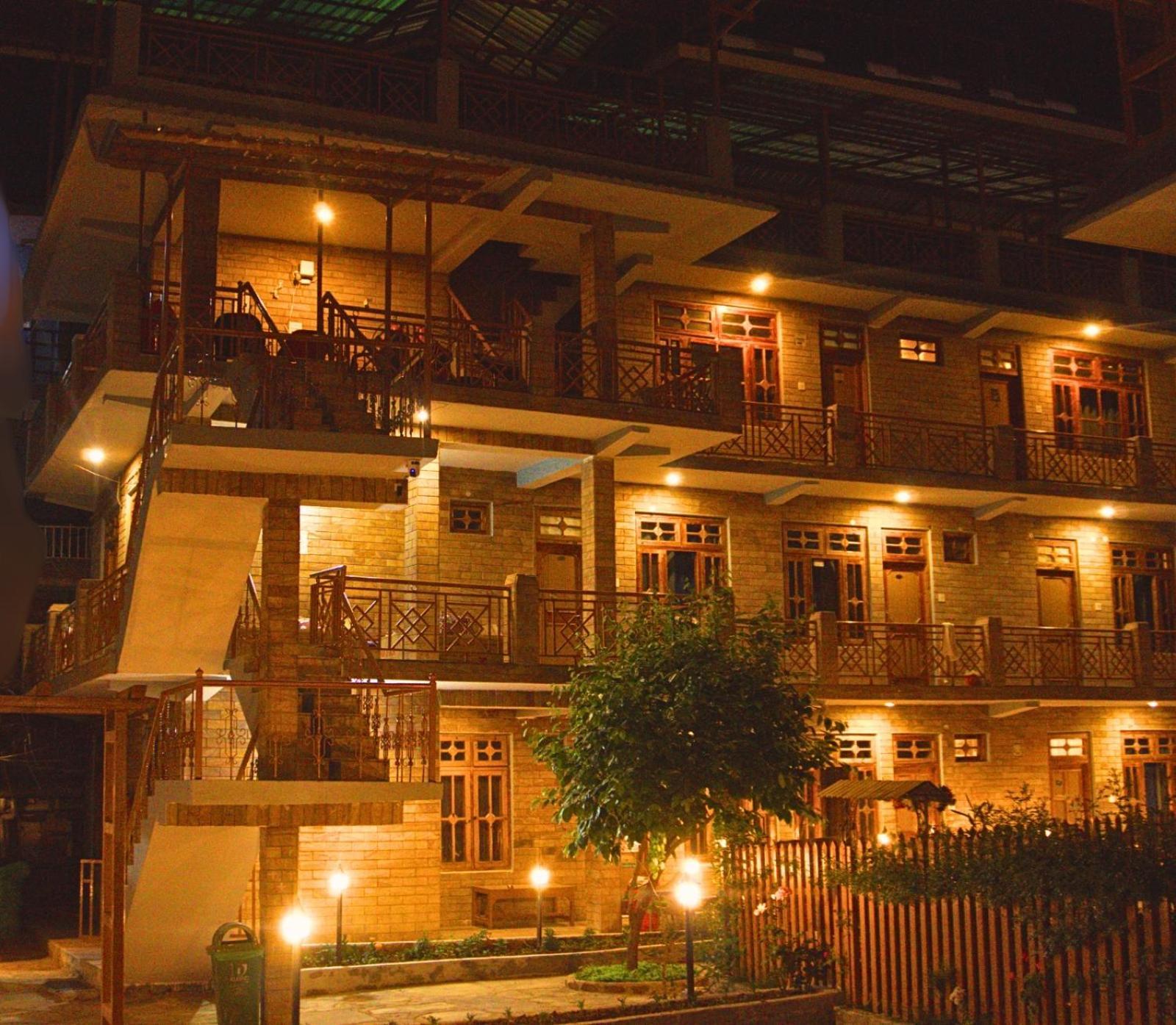
4. Terra Cottage
Show on map


 Check-infrom 14:00 until 18:00Check-outfrom 08:00 until 11:00
Hurry – almost gone at this price!
fromINR 4593
Best Premium Stays
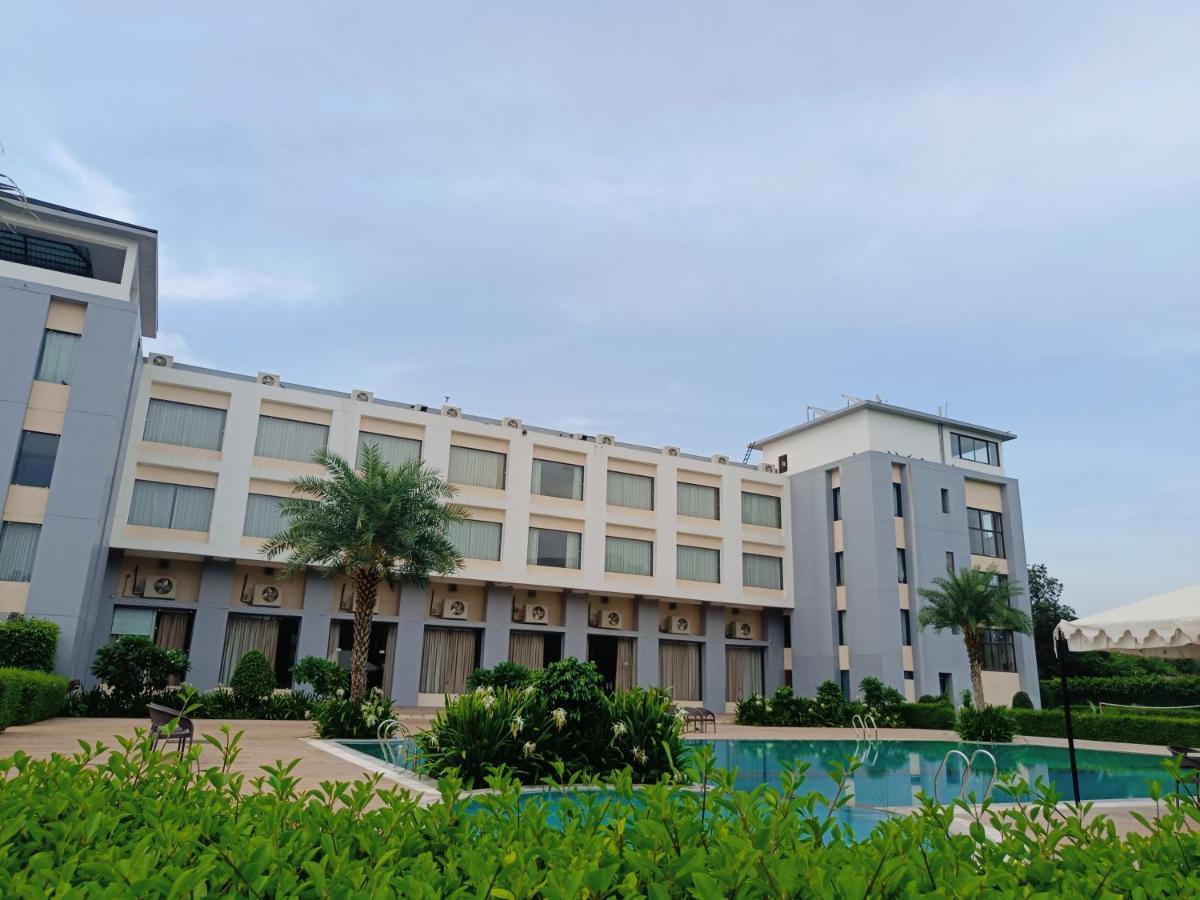
These properties deliver stronger facility sets, standout locations, or unique stay experiences - suited to travelers willing to pay more for an outdoor pool, a Tibetan cultural hub base, or a fully equipped villa near Delhi.
-
5. Royal King
Show on map


 Check-infrom 12:00 until 23:00Check-outfrom 08:00 until 11:00
Rooms filling fast – secure the best rate!
fromINR 8133
- Show on map
Best price guarantee
-
3. Khohar Haveli With Complimentary Breakfast And Outdoor Pool
Show on map


 Check-infrom 14:00 until 19:00Check-outuntil 11:00
Rooms filling fast – secure the best rate!
fromINR 35116
Smart Travel & Timing Advice for North Zone
North Zone's travel windows vary sharply by destination. Hill stations like Shimla, Mussoorie, and McLeod Ganj are busiest from April to June, when Indian families use summer school holidays to escape the plains heat - properties in these areas can fill up entirely, and prices rise by around 50% compared to off-peak rates. The post-monsoon window of October to mid-November is widely considered the best balance of weather clarity, manageable crowds, and competitive pricing. Varanasi has no real off-season - the Ganga Aarti and pilgrimage circuit draw visitors every month - but Diwali and Kartik Purnima (October-November) bring the highest crowd density and the most significant room scarcity within 5 km of the ghats. For Gurgaon and Lucknow urban stays, weekday pricing is consistently lower than weekend rates. Booking 6 weeks in advance is a reliable rule for any hill station property during peak season; for urban plains cities, 2 weeks is usually sufficient outside major festival periods. A minimum stay of 3 nights makes practical sense for hill stations given travel time from Delhi - anything shorter underutilizes the journey and limits exploration of surrounding areas like Kempty Falls, Kangra Valley, or the Bhagsu trek above McLeod Ganj.